Valparaíso, Viña del Mar and Pablo Neruda Guide: What to See and How to Get There
Valparaíso, Viña del Mar and Neruda’s coast make up a very complete coastal outing near Santiago: colorful hills, century-old funiculars, gardens, castles, beaches, vineyards and the poet’s houses. This guide helps you decide what to see, how to get there, when to go and what to pack, and shares a bit of the history and customs of each place.
What to see on the central coast
Valparaíso (about 297,000 inhabitants in the 2017 Census) and Viña del Mar (about 334,000) are neighboring cities that feel very different to explore: Valparaíso is stairs, hills and port, while Viña is gardens, beaches and stately buildings. Isla Negra lies farther south, on the coast of El Quisco. If you don’t know where to start:
- Hills, funiculars and street art: Valparaíso, on the full-day tour of Valparaíso and Viña del Mar or its private version with wine tasting.
- Pablo Neruda and the coast: the Isla Negra House Museum, on the private tour to Isla Negra and Pomaire.
- Fresh coastal wine: the Casablanca Valley, which is included in both Valparaíso tours.
How to get there from Santiago
The route is Ruta 68, a highway of about 110 km to Valparaíso and Viña del Mar. By car, the trip takes around 1 h 30 and there is a toll. Some days traffic and occasional closures (for example, because of the pilgrimage to Lo Vásquez in early December) make the trip longer.
| Destination | From Santiago | Approximate time |
|---|---|---|
| Valparaíso and Viña del Mar | About 110 km on Ruta 68 | Around 1 h 30 |
| Casablanca Valley | About 60 to 80 km | Around 1 h |
| Isla Negra | By the coastal road from Algarrobo | About 2 h |
| Pomaire | About 60 to 70 km | Around 1 h |
By bus. There are frequent buses to Valparaíso and Viña del Mar from the Alameda and Pajaritos terminals, on a trip of between 1 h 30 and almost 2 hours.
Between Valparaíso and Viña. The Merval train, run by EFE, links Puerto with Limache in 21 stations, and Viña del Mar is the eighth from Puerto. Confirm the schedules and service status before you set out: travel times are sometimes longer than usual.
Valparaíso: hills, funiculars and port
A World Heritage port
In 2003 UNESCO inscribed the historic quarter of the port city of Valparaíso as an exceptional testimony to the early phase of globalization, in the late 19th century, when it was the main merchant port on the South American Pacific routes. The city rises over a natural amphitheater of about 40 hills that drop down to the sea, and that geography explains its stairs, its viewpoints and its funiculars.
Alegre and Concepción hills
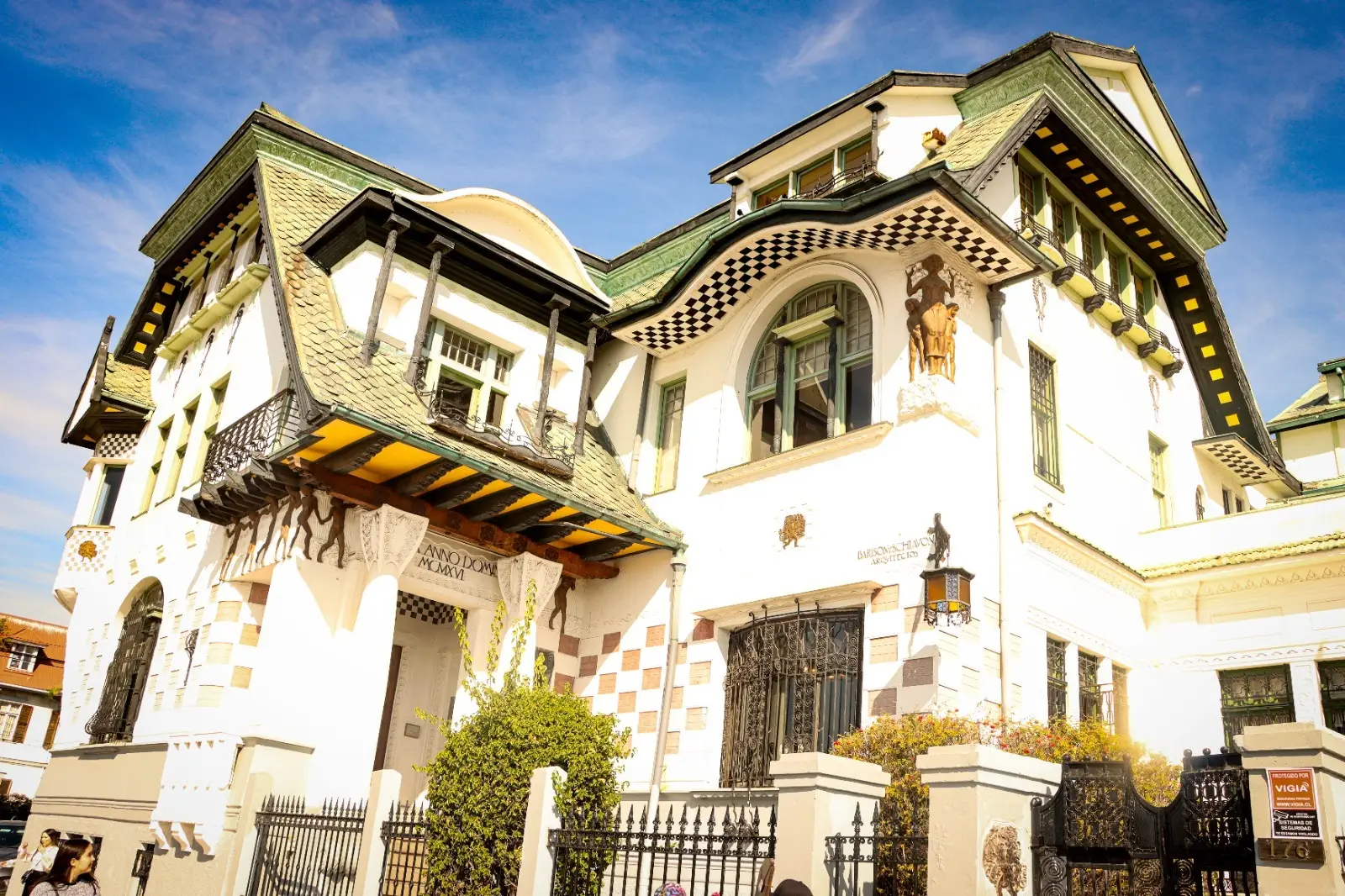
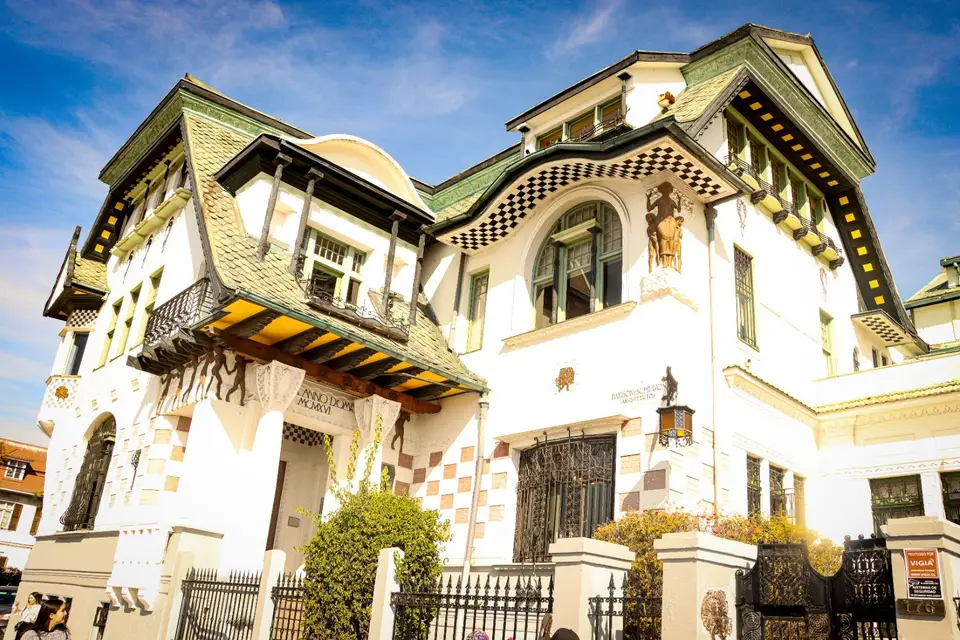
These are the most visited hills. They preserve the architecture left by 19th-century European immigration, above all British and German merchants: colorful houses, the Santa Cruz Lutheran Church, the German Club and promenades with views of the bay such as the Gervasoni, the Atkinson and the Yugoslavo. On the Yugoslavo promenade stands the Palacio Baburizza, a building constructed in 1916 for Ottorino Zanelli, which today houses the Municipal Fine Arts Museum and is a Historic Monument.
The funiculars
Valparaíso once had about 30 funiculars (ascensores), and about 16 still stand today, all of them Historic Monuments. The first was the Ascensor Concepción, inaugurated on December 1, 1883. To reach Alegre and Concepción you use the El Peral and Reina Victoria ascensores, and the Espíritu Santo helps you get to La Sebastiana. Not all of them run at the same time: ask which ones are open on the day of your visit. You pay per ride.
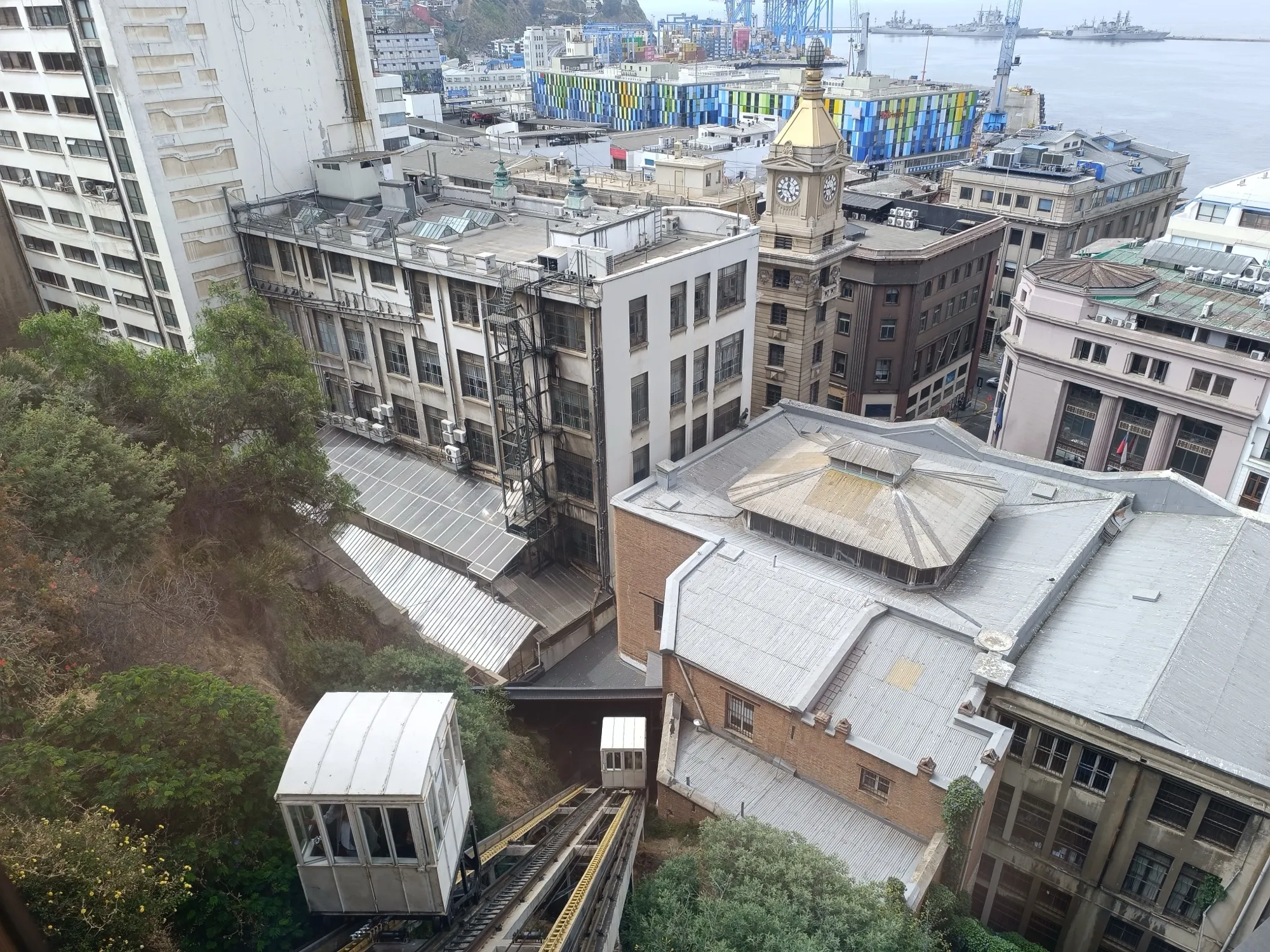
Ascensor Concepción on Concepción hill.
Museo a Cielo Abierto (Open-Air Museum)
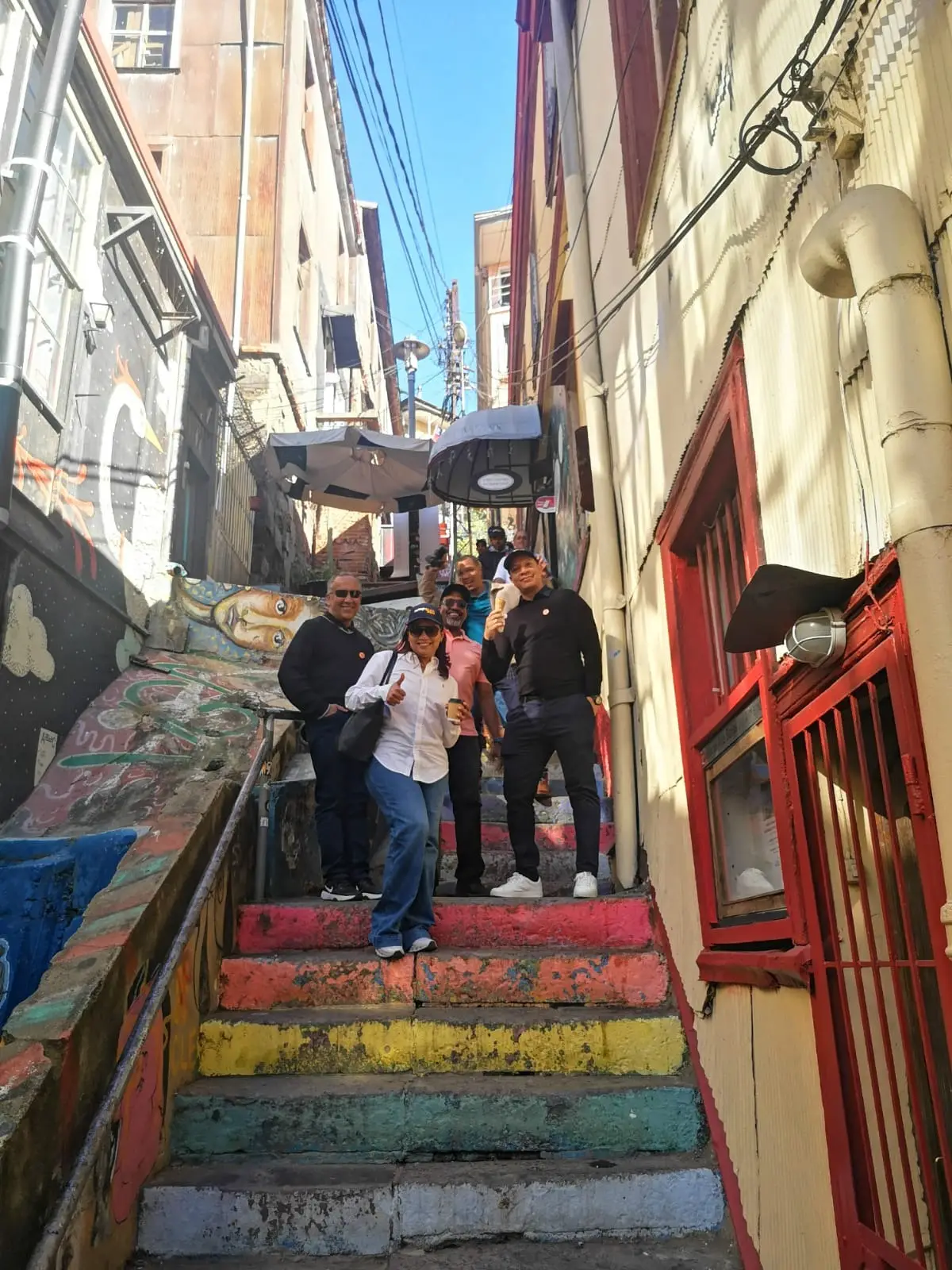
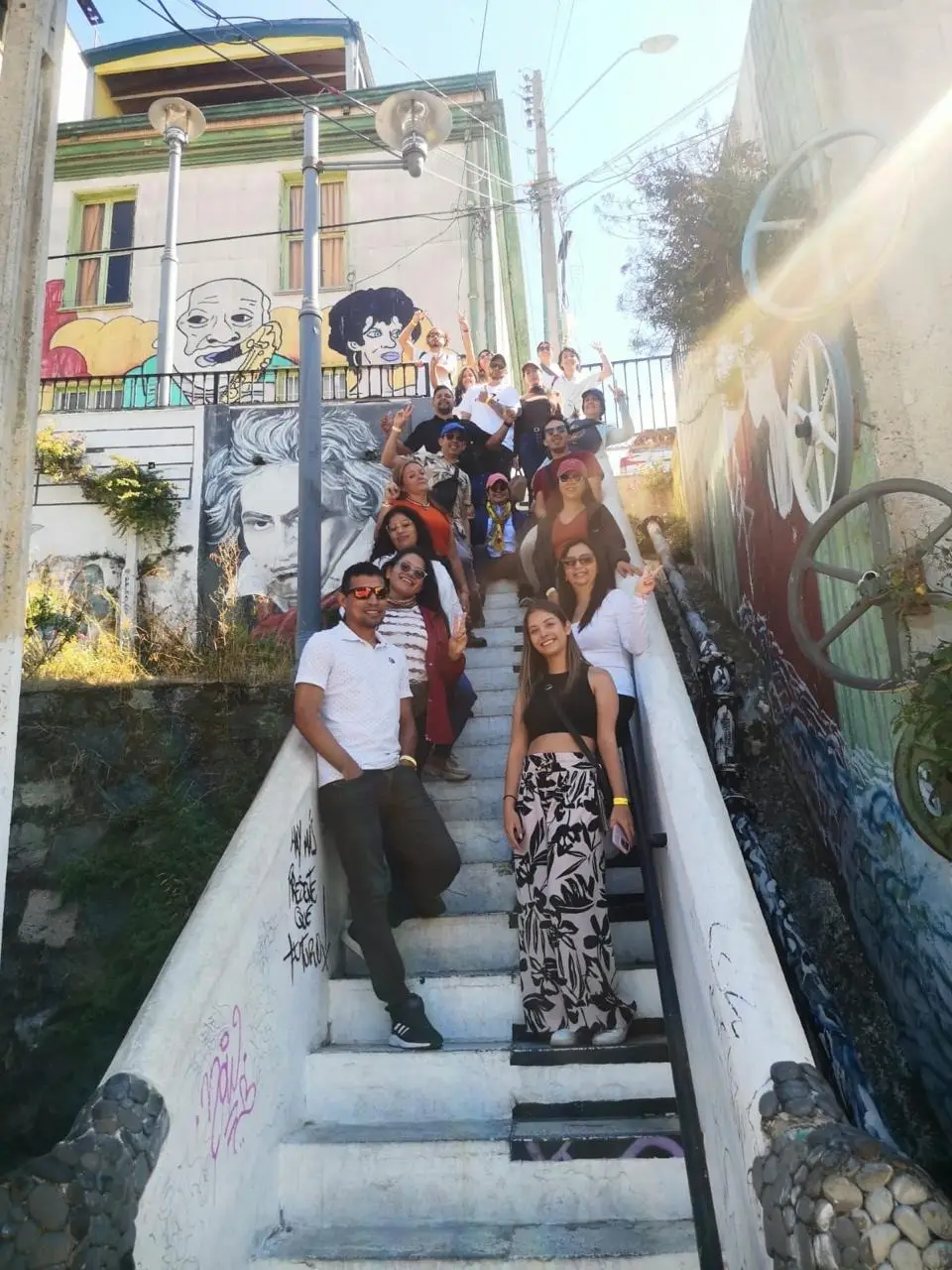
On Cerro Bellavista, a route of about 20 murals by Chilean artists runs through the streets and stairways of the neighborhood. It began in 1969 with students from the Art Institute of the Pontificia Universidad Católica de Valparaíso and was formalized in 1992. It is free to enter and starts near Plaza Victoria, on the Pasteur climb.
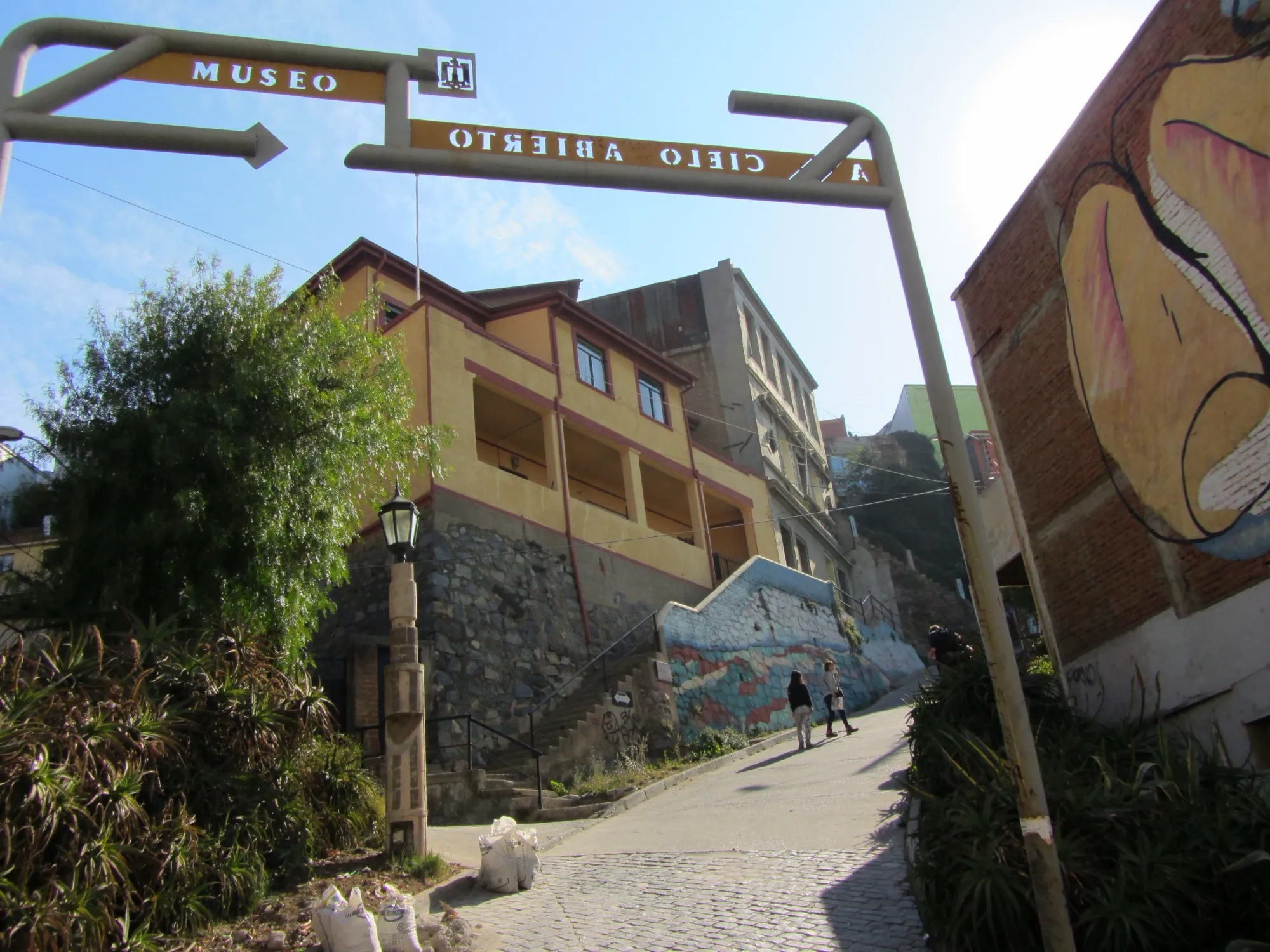
Entrance to the Open-Air Museum (Museo a Cielo Abierto).
Plaza Sotomayor, Muelle Prat and the 21 de Mayo promenade
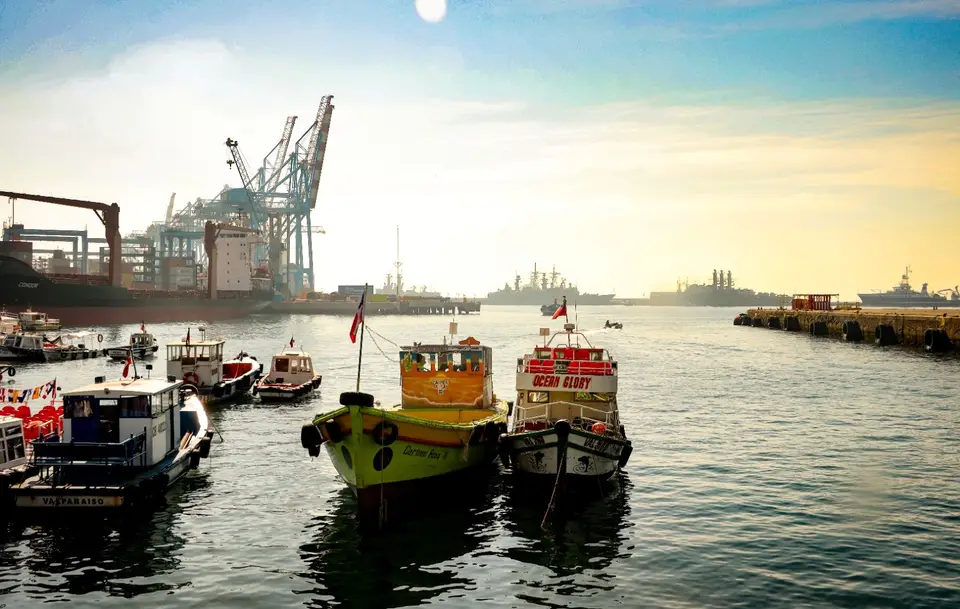
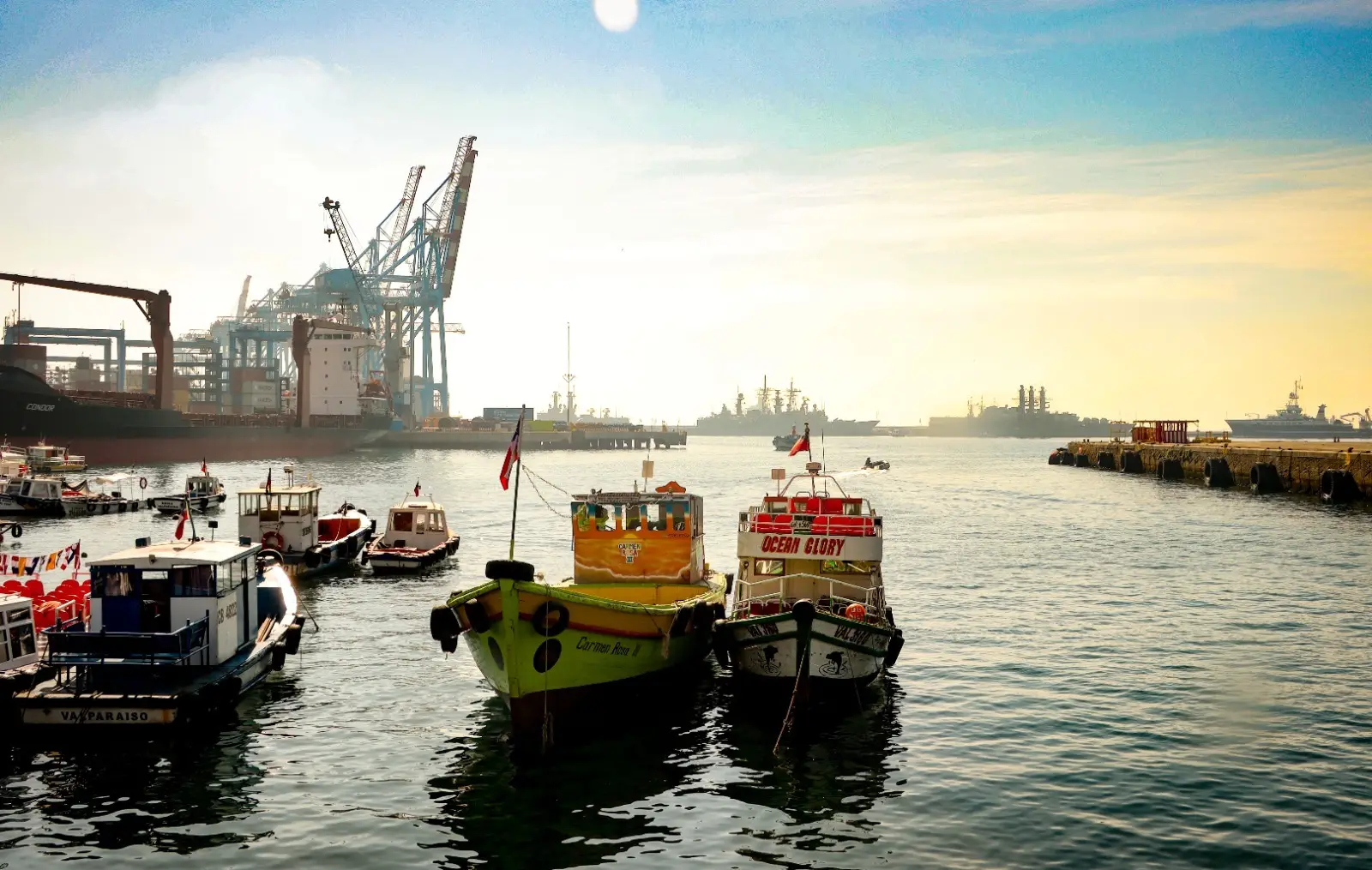
Plaza Sotomayor is dominated by the Naval Command building and the Monument to the Heroes of Iquique, and Muelle Prat, at its foot, is the starting point for boat rides around the bay. Nearby is the 21 de Mayo promenade, a viewpoint over the cliffs of Cerro Artillería, next to the Naval and Maritime Museum. May 21, Día de las Glorias Navales (Navy Glories Day), is a national holiday.
Viña del Mar: gardens, castles and museums
Viña del Mar grew out of the subdivision of the La Viña del Mar estate, and the urban plan that made it possible was drawn up by José Francisco Vergara in 1874. It is the city of gardens and beaches, and these are its best-known places:
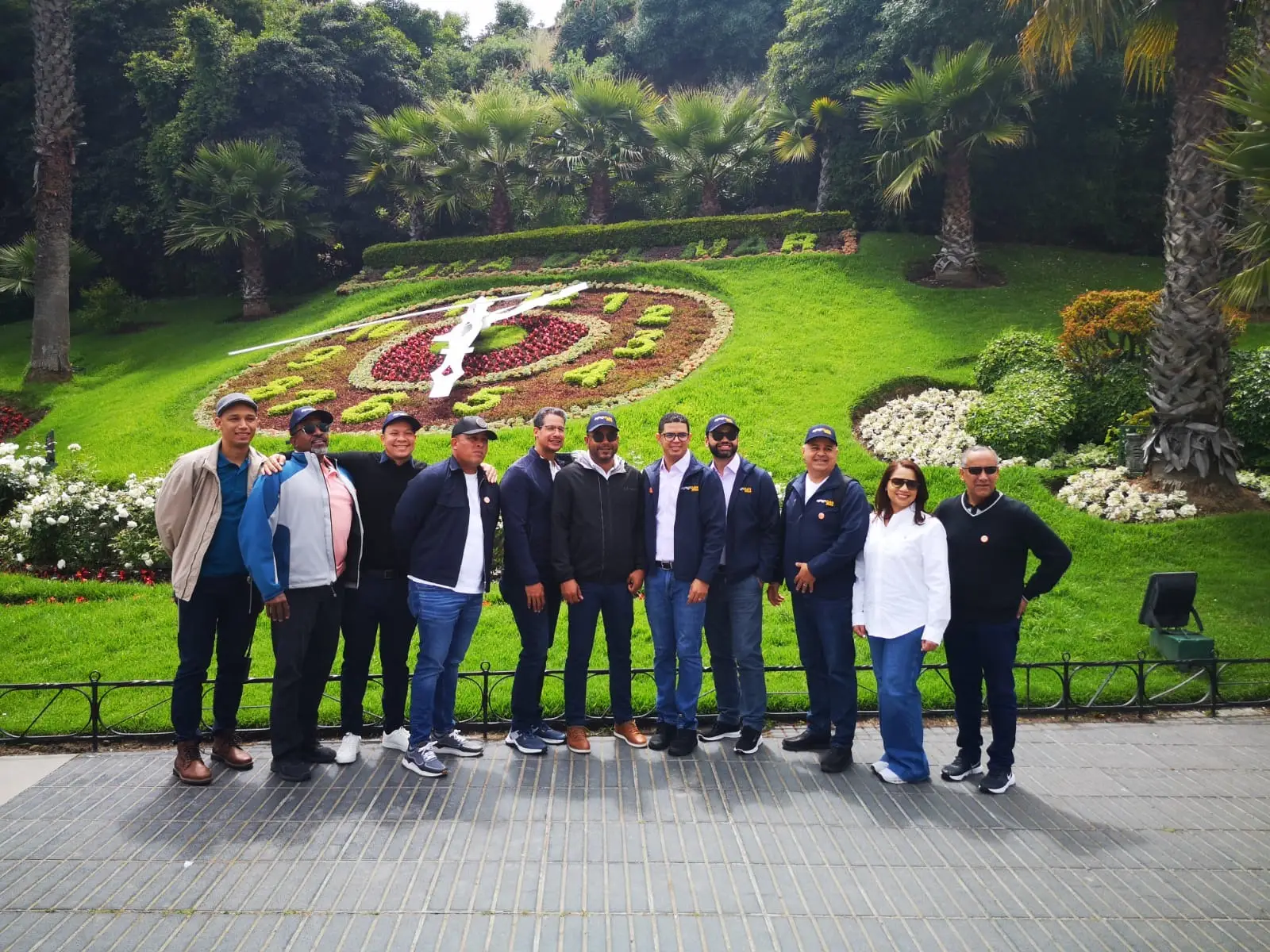
- Reloj de Flores (Flower Clock). It began telling time on May 15, 1962, is inspired by the one in Geneva, and its face is covered with more than 8,000 flowers.
- Castillo Wulff. Built in 1906 on the rocks of the shoreline, it has been a Historic Monument since 1995.
- Quinta Vergara. This is the park that holds the Palacio Vergara (1906–1910) and the Amphitheater of the International Song Festival, which has been held in February since 1960.
- Palacio Rioja. Built between 1907 and 1910, it is a Historic Monument and has housed the Museum of Decorative Art since 1979.
- Museo Fonck. The archaeology and history museum keeps at its entrance a moai that arrived from Rapa Nui in 1951, and whose return has been debated for years.
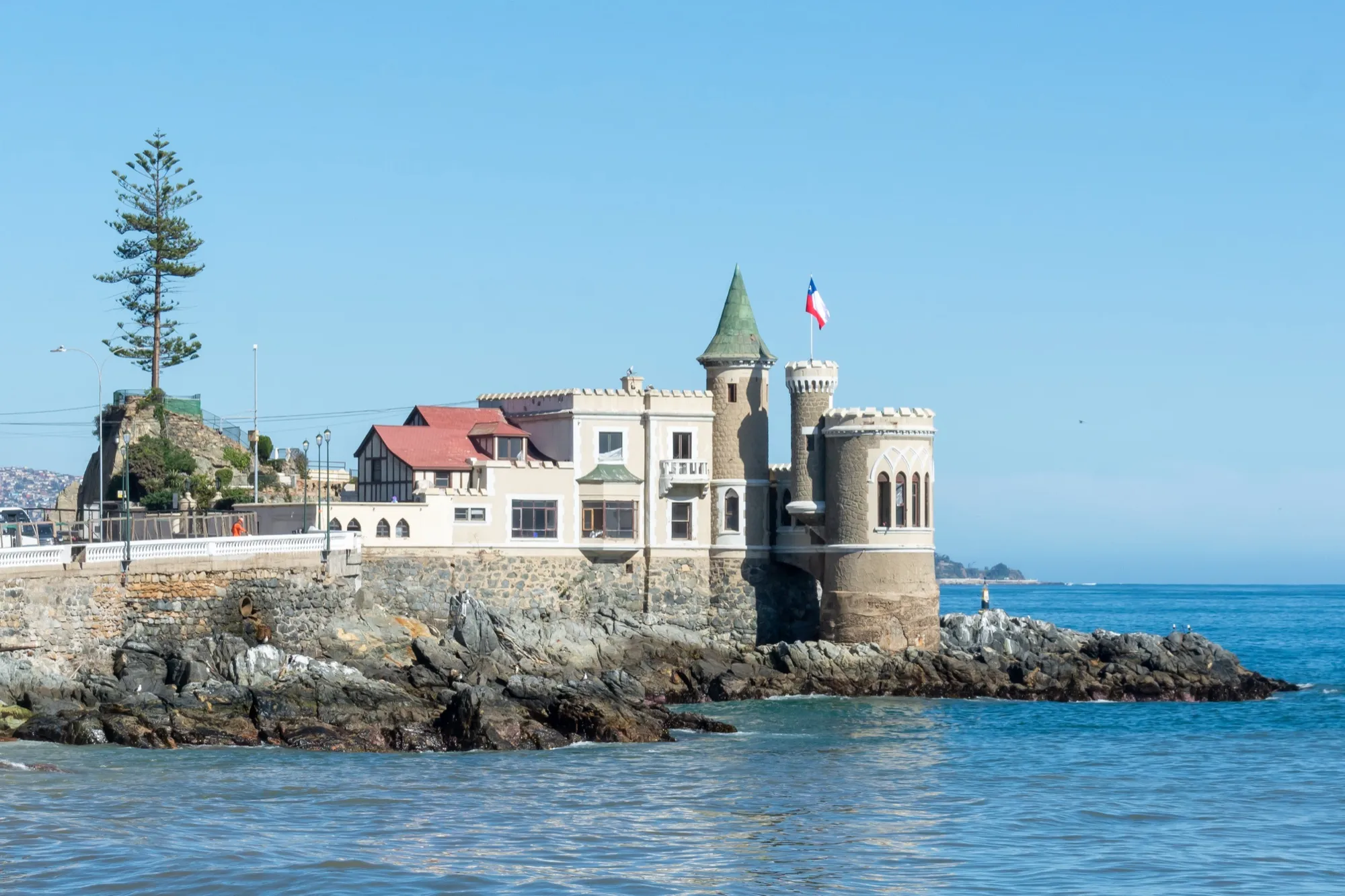
Castillo Wulff.
Pablo Neruda and his houses
Pablo Neruda, Nobel Prize in Literature in 1971, had three houses that are now museums of the Fundación Neruda: La Chascona, in Santiago; La Sebastiana, in Valparaíso; and the Isla Negra House. If you are heading to the coast, it is worth including at least one.
La Sebastiana, in Valparaíso
Neruda decided to look for a house in Valparaíso in 1959, and this one was inaugurated on September 18, 1961. He occupied the upper floors and the tower, and spent his last New Year’s Eve there, in 1972. Its name recalls Sebastián Collado, the Spaniard who began building it, and Neruda joked that instead of a house he had bought stairs and terraces. It has been a house museum since December 1991. It is at Ricardo de Ferrari 692, on Cerro Bellavista: the easiest way is to ride up on the Espíritu Santo ascensor and walk about 10 minutes, because driving is difficult on the narrow streets and there is almost no parking.
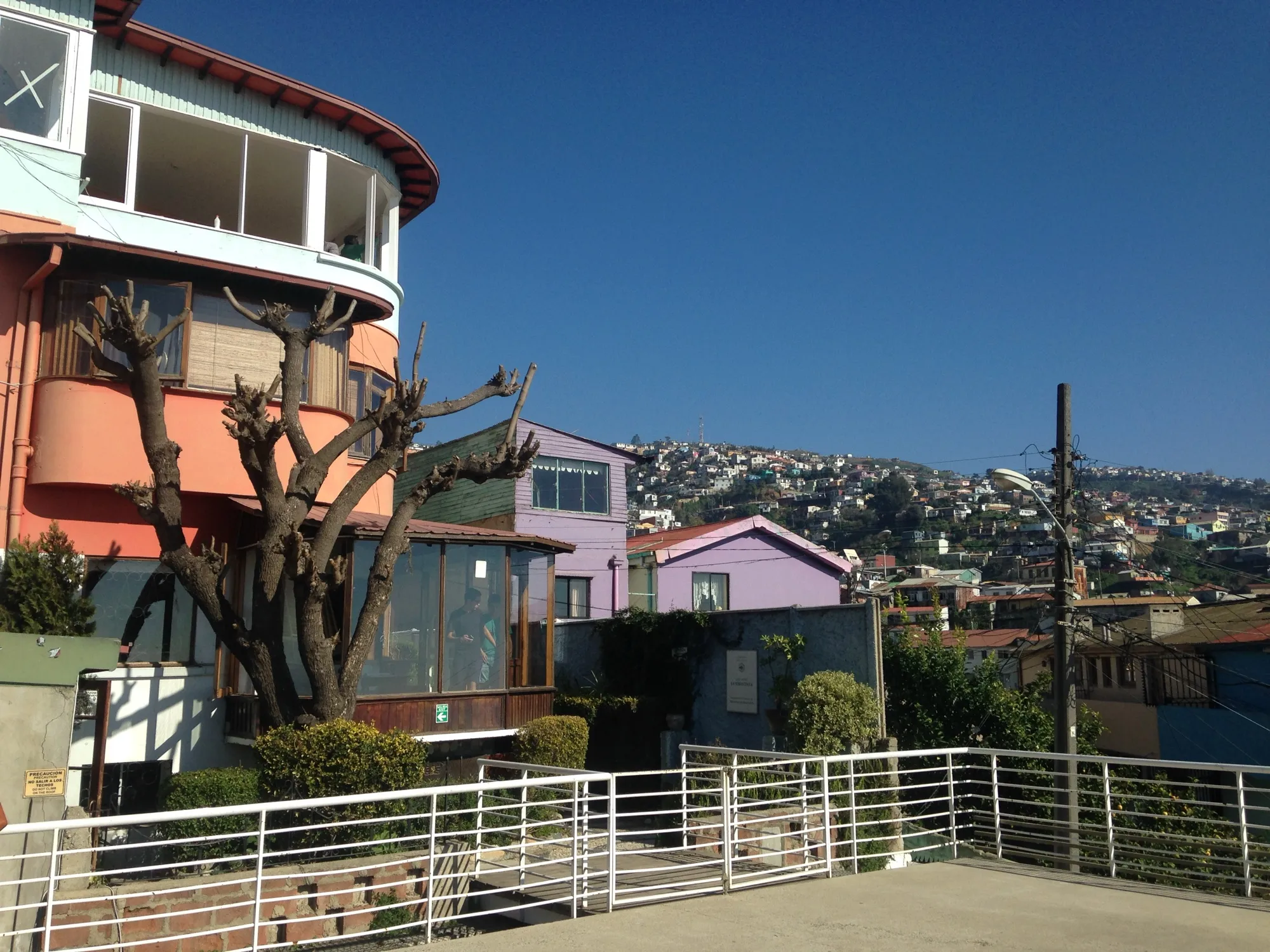
La Sebastiana, Neruda’s house in Valparaíso.
The Isla Negra House
Isla Negra is not an island: its name comes from the dark rocks of the coast. Neruda bought the land in 1938 from a Spanish sailor, with a stone cabin, in a place called Las Gaviotas, and expanded the house in stages. It is full of maritime collections, such as figureheads, ships in bottles and conch shells. Neruda and his wife Matilde Urrutia have rested in the garden, facing the Pacific, since December 1992.
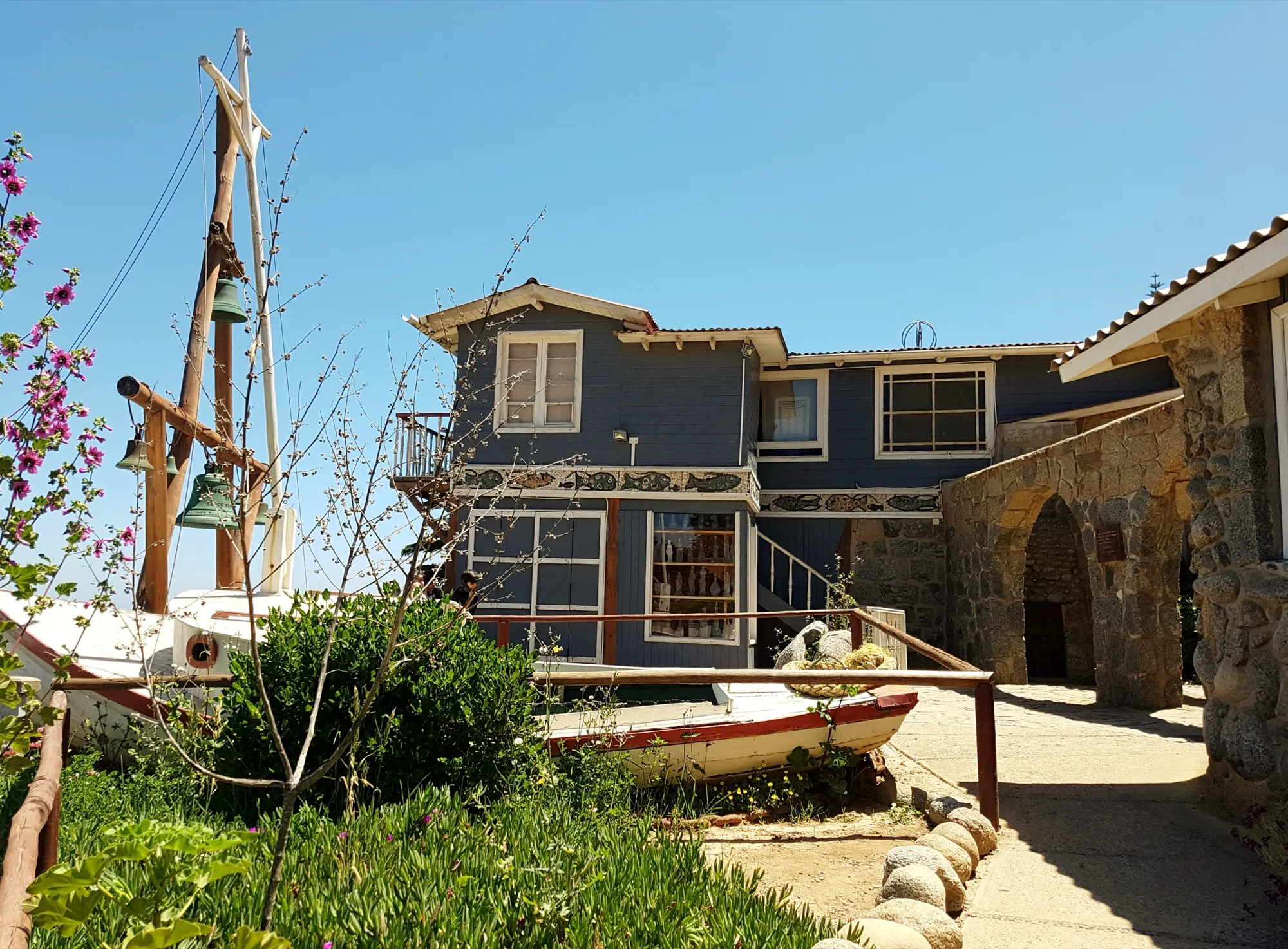
The Isla Negra house museum.
How to visit the houses
All three houses are open Tuesday to Sunday, 10:00 to 18:00 (until 19:00 in January and February), and closing time is the time of the last entry. Entry is without reservation, on a first-come basis, and pets are not allowed. Audio guides are available in Spanish, English, Portuguese, French, German and Italian. More people come in summer: it is best to go early.
Casablanca and Pomaire
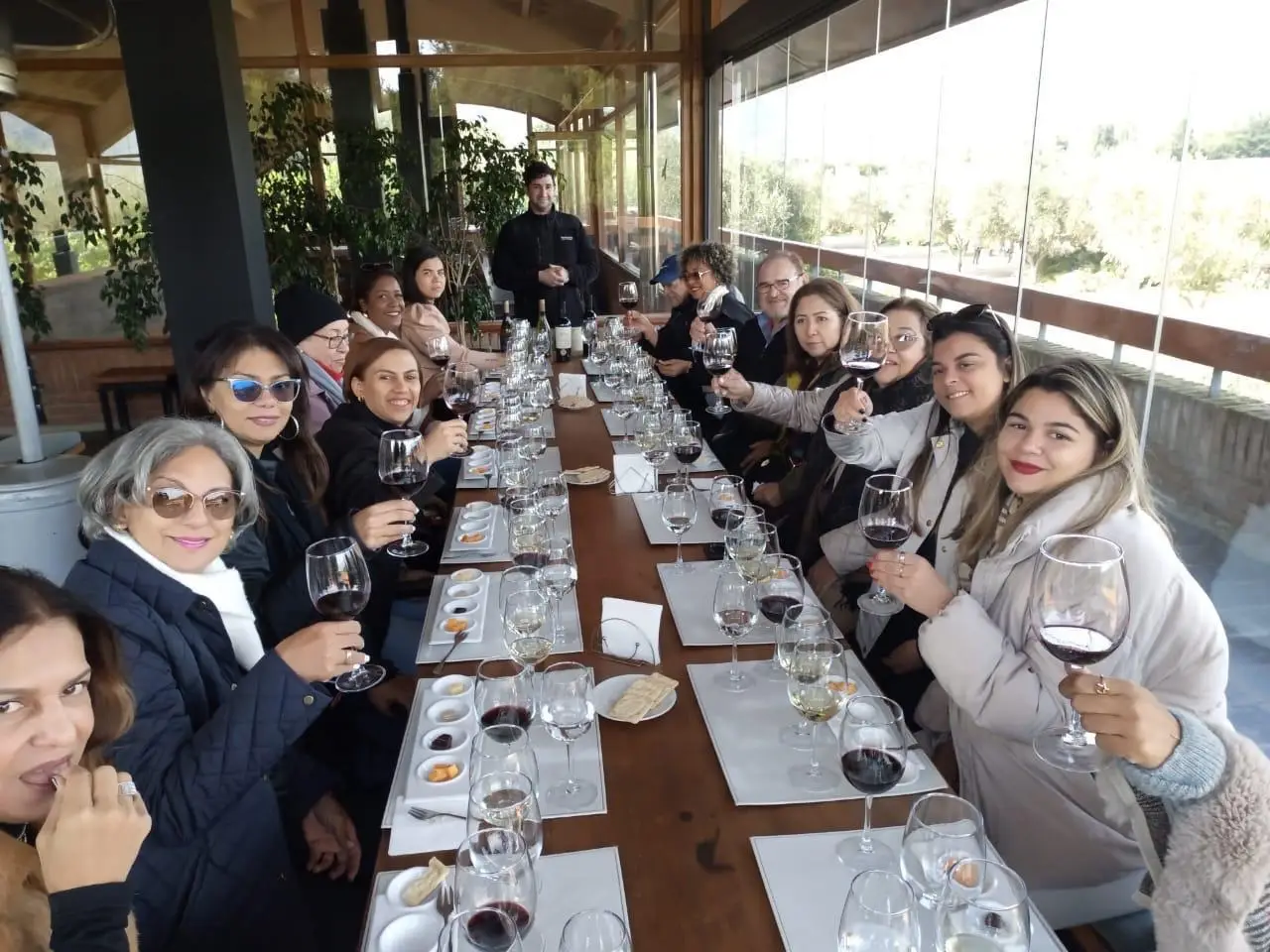
The Casablanca Valley has a cool climate thanks to the coastal breezes and is famous for its white wines, above all Sauvignon Blanc and Chardonnay, as well as Pinot Noir. It is about an hour from Santiago and about 40 minutes from Valparaíso, which is why many travelers add it to the road to the coast with a tasting.
Pomaire, about 60 to 70 km from Santiago, is a potters’ town known for its clay ceramics, with a tradition that predates the arrival of the Spanish. You can buy red, shiny pieces and the typical three-legged chanchito (little pig).
What to buy and where
The most typical things you can take home from this route are local crafts, Casablanca wine and Neruda souvenirs. These are the purchases that make the most sense:
- Pomaire clay ceramics. Pots, jugs and pitchers made of clay, which turns reddish or brown after firing, as well as animal figures. The most sought-after piece is the three-legged chanchito (little pig), said to bring good luck. Pomaire pottery has a denomination of origin, so it is worth looking for pieces made there, in the town’s workshops and shops.
- Embroidery and textiles from Isla Negra. Fabrics and textile products made by women have their own certification mark, “Manos de Isla Negra”.
- Isla Negra craft fair. It is on the town’s main street, very close to Neruda’s House Museum, and stands out for its mix of colors in glass, wool and paintings. The plaza Eladio Sobrino, also in Isla Negra, is an alternative craft center.
- Crafts in Valparaíso. At Muelle Prat there are craft stalls next to the boat rides around the bay. The Mercado Puerto, next to plaza Echaurren and reopened in 2020, brings together more than 50 stalls with fruit, vegetables and local crafts: metalwork, prints, photographs, retablos and leather goods.
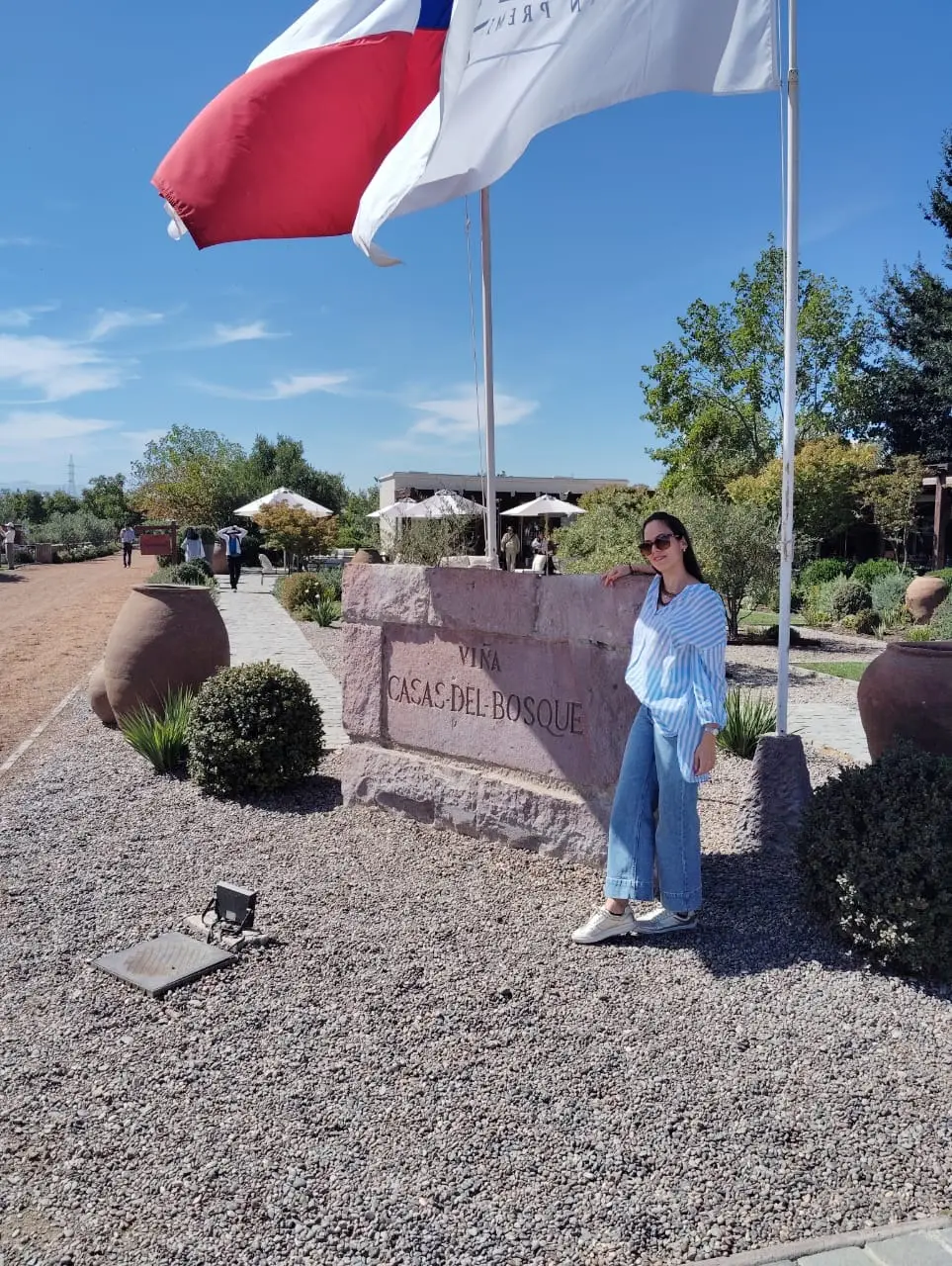
- Casablanca Valley wine. A cool-climate region, famous for Sauvignon Blanc and Chardonnay. When you book the visit, ask whether the winery sells wine in its shop, and if you are going to taste wines, don’t drive: hire a tour or a driver.
- Neruda books and souvenirs. The Fundación Neruda has an online shop with international shipping. At the house museums, ask about the shop when you enter.
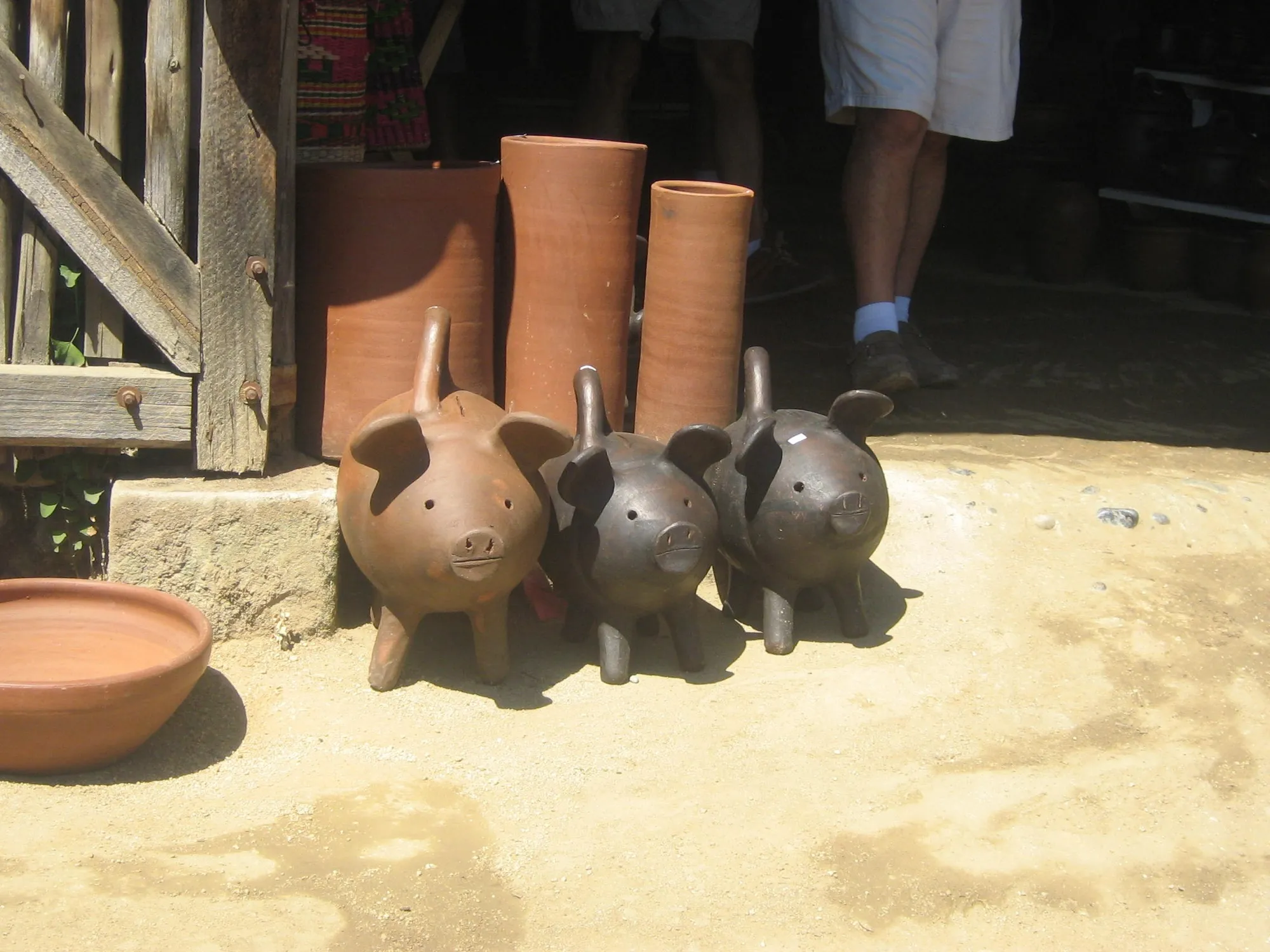
Clay chanchitos in Pomaire.
The opening hours of fairs and markets change: confirm them with your accommodation before you go.
Five typical dishes and where to eat them
1. Chorrillana. A platter of french fries topped with strips of beef, onion and egg, made to be shared. It is a dish closely associated with Valparaíso and its origin is debated: the bar J Cruz, on calle Condell, claims to have created it in the 1970s, while other versions trace it back to the War of the Pacific with no documentary support. J Cruz (Condell 1466) is the most frequently cited place to try it.
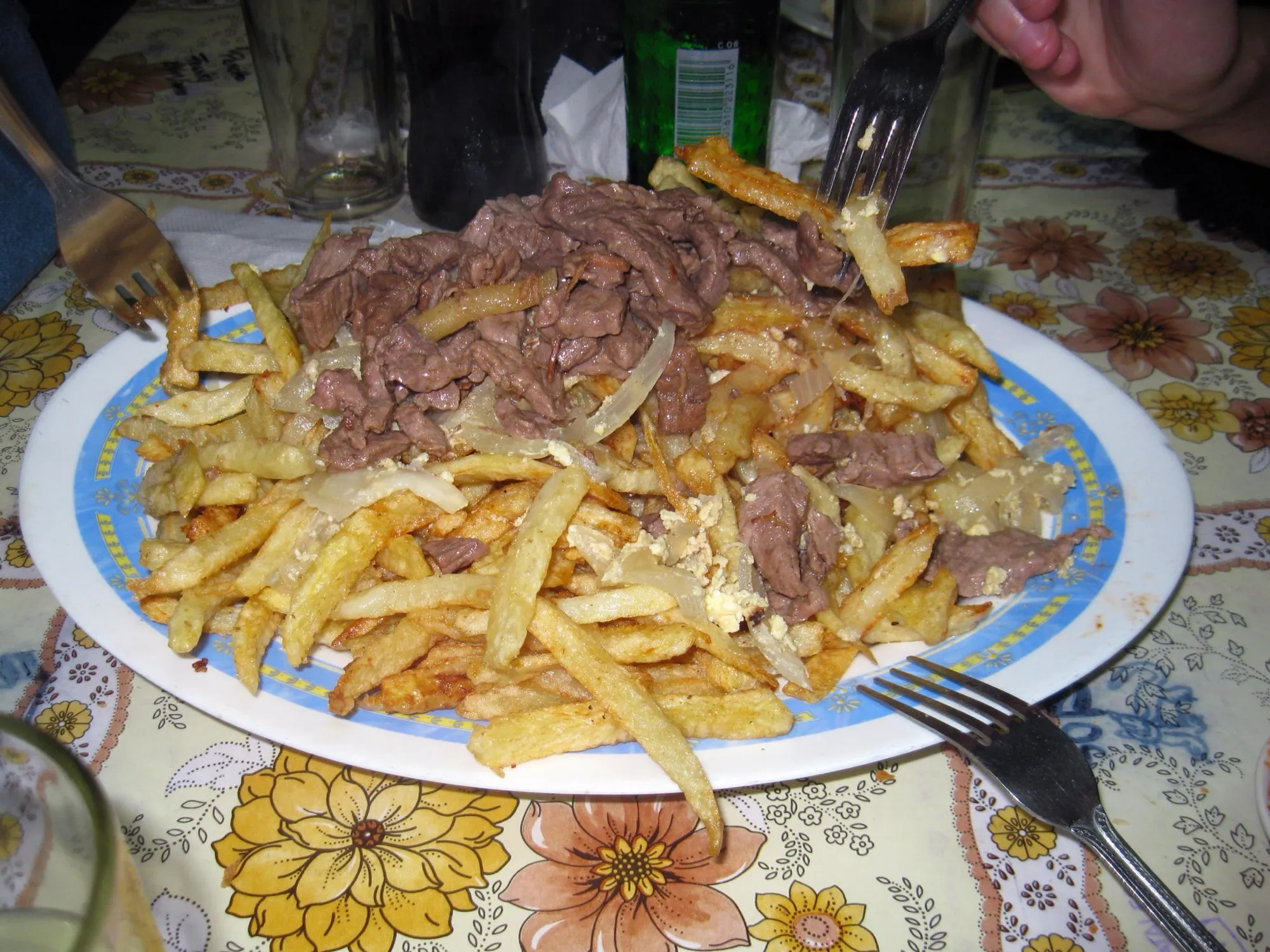
A chorrillana.
2. Caldillo de congrio. A conger eel stew with vegetables and spices, typical of central Chile, to which Neruda dedicated an ode in Odas elementales (1954). In Isla Negra you can try a version at the Nobel restaurant, next to the house museum.
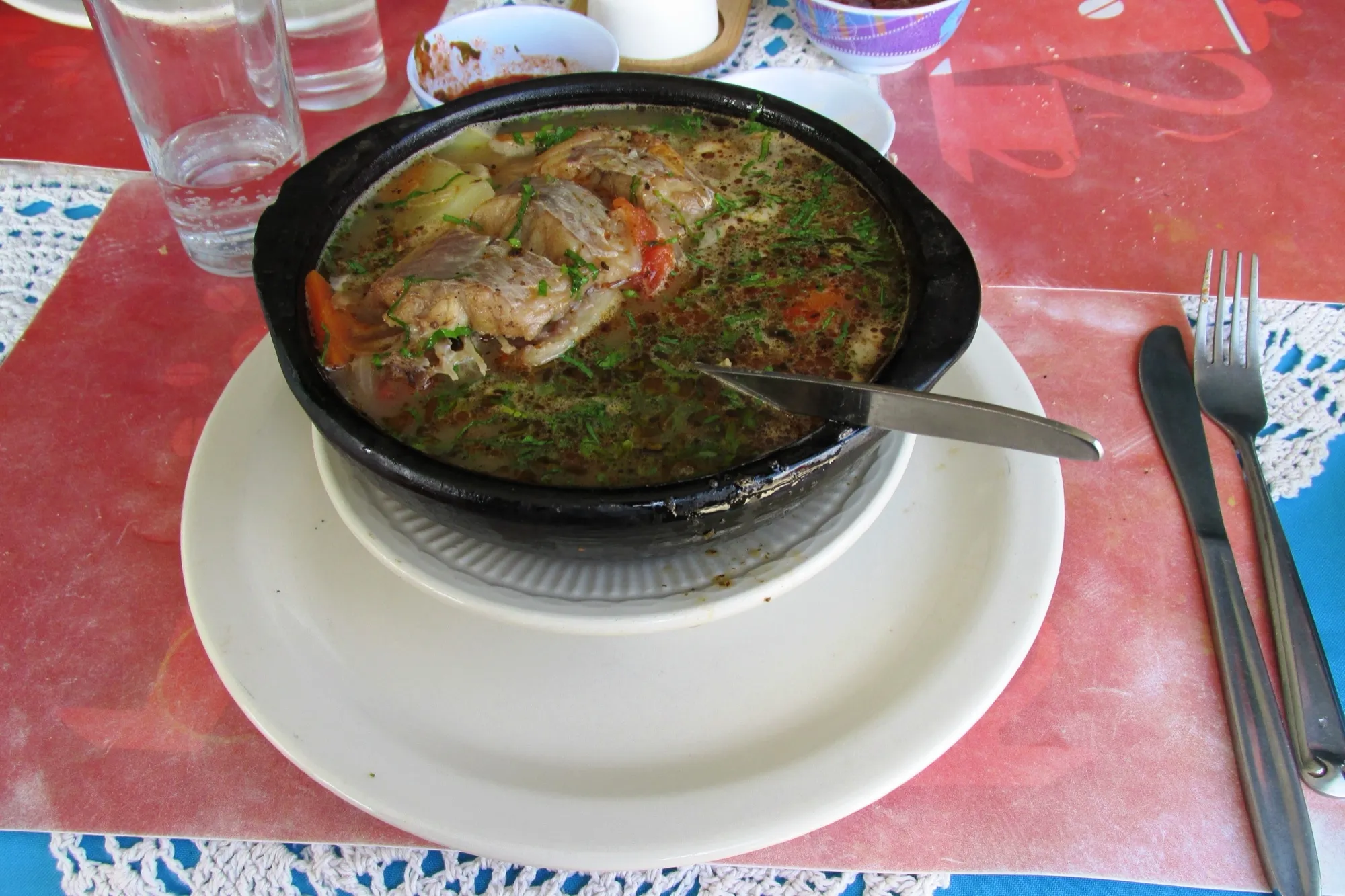
Caldillo de congrio (conger eel stew).
3. Machas a la parmesana. Machas, a beach mollusk, baked with Parmesan cheese and butter. They are said to have originated in the 1950s under the influence of Italian cooking, although their origin is not clear. In Valparaíso they are served, for example, at the Bar Cinzano, on plaza Aníbal Pinto.
4. Merluza frita and calugas de pescado. Fried hake (merluza frita) and calugas, pieces of battered fish well known in Valparaíso, are two fish classics. At the El Membrillo and Portales caletas (small fishing coves) you can buy fresh fish directly from the artisanal fishermen. Every September, for Fiestas Patrias, El Membrillo holds the Fogata del Pescador, with fried hake, wine and bread. Remodeling works have been announced at Caleta Portales, so access may vary.
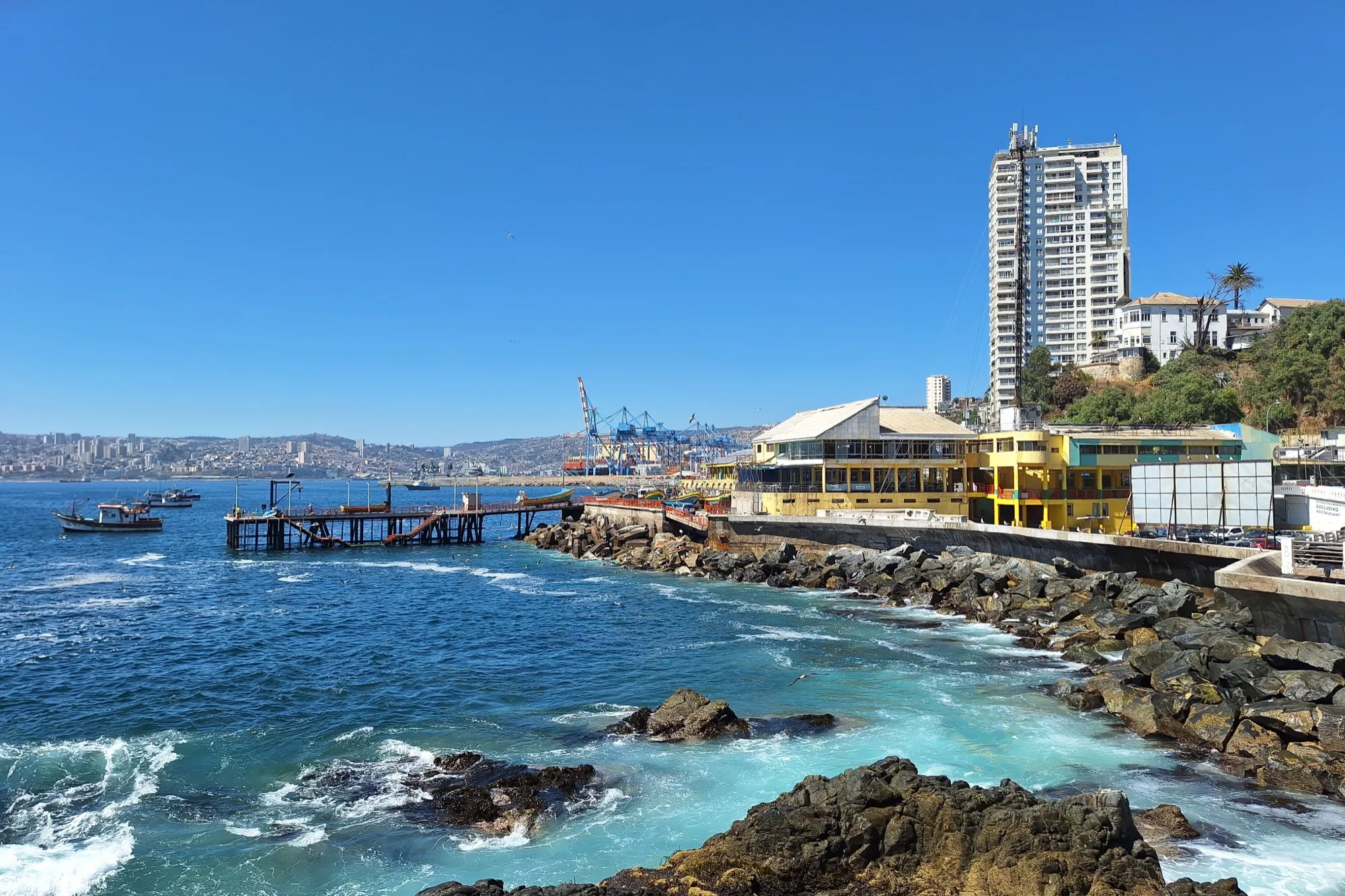
Caleta El Membrillo, in Valparaíso.
5. Empanada de horno. A baked empanada filled with pino (beef, onion, hard-boiled egg, olive and raisins) or with seafood, the coastal variant. It is a dish found all over Chile, which Valparaíso celebrates with a municipal baked-empanada contest at the Mercado Puerto, with pino, seafood and vegetarian categories. The Mercado Puerto and the Mercado Cardonal are good places to eat: on the second floor of the Cardonal there are fish and seafood restaurants.
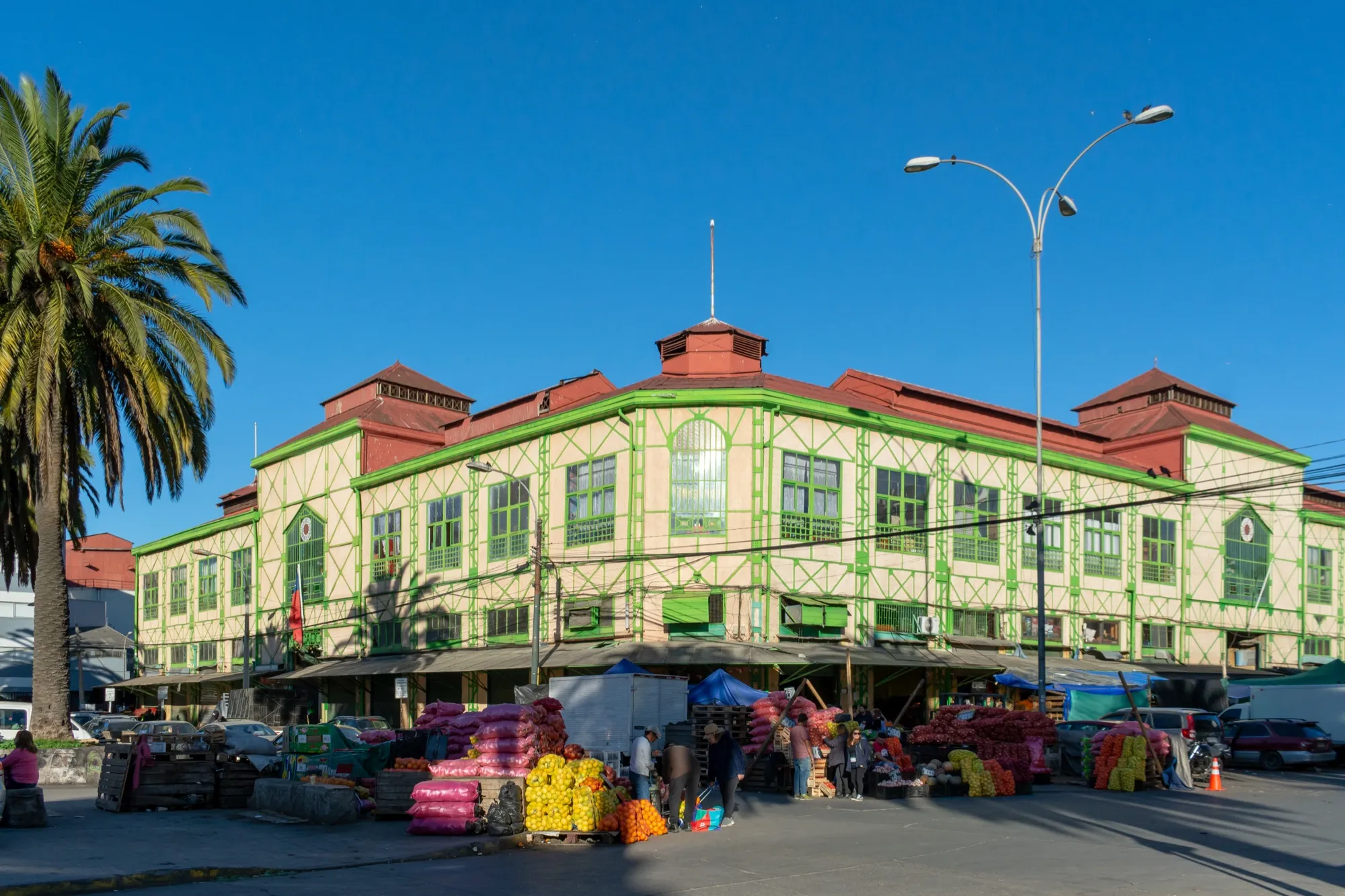
Mercado Cardonal, in Valparaíso.
To eat with peace of mind.
- Buy and eat at established places. Fresh fish has bright eyes, firm flesh and red gills; shellfish should have plenty of clear liquid and smell of the sea.
- Before eating bivalve shellfish such as machas, check whether there is a red tide warning: cooking does not eliminate those toxins.
- A 10% tip is suggested at restaurants, and it is voluntary.
Festivals and key dates
Some dates change the atmosphere of the cities:
- Año Nuevo en el Mar (New Year at Sea). Valparaíso’s fireworks have been held almost every year since the 1950s, and in 2024 about a million visitors were expected between Valparaíso and Viña.
- Festival de Viña del Mar. It is held in February at the Quinta Vergara, and the city fills up in those days.
- Carnaval Mil Tambores (Thousand Drums Carnival). It began in 1999 and is held on the first weekend of October.
When to go, climate and tips
The Valparaíso coast has a mild Mediterranean climate, with temperatures more even through the year than in Santiago, thanks to the ocean and the cold Humboldt Current. It is quite humid and often cloudy in the morning, with the clouds clearing in the afternoon. This table shows the approximate average temperature for each month of 2025, with the average of the lows and highs in parentheses:
| Month | Valparaíso and Viña del Mar (coast) | Casablanca Valley |
|---|---|---|
| January | 18 °C (14 to 22) | 18 °C (13 to 25) |
| February | 17 °C (14 to 22) | 18 °C (14 to 25) |
| March | 17 °C (14 to 21) | 17 °C (13 to 24) |
| April | 15 °C (12 to 19) | 14 °C (10 to 21) |
| May | 14 °C (11 to 18) | 13 °C (9 to 18) |
| June | 11 °C (9 to 14) | 9 °C (6 to 14) |
| July | 12 °C (10 to 16) | 11 °C (7 to 16) |
| August | 13 °C (11 to 16) | 11 °C (8 to 16) |
| September | 13 °C (10 to 17) | 12 °C (8 to 18) |
| October | 14 °C (11 to 18) | 14 °C (9 to 21) |
| November | 15 °C (12 to 19) | 15 °C (11 to 21) |
| December | 17 °C (14 to 21) | 18 °C (13 to 24) |
- Summer (December to March): the most pleasant time. On the coast averages hover around 17 and 18 °C, and in Casablanca afternoons reach about 25 °C.
- Autumn (April and May): temperatures drop month by month.
- Winter (June to August): averages of 11 to 13 °C on the coast and 9 to 11 °C in Casablanca, with colder mornings.
- Spring (September to November): the weather improves month by month.
Practical tips.
- Wear comfortable shoes with good soles: Valparaíso is all stairs and steep streets.
- Even in summer the sea breeze cools things down: add a light jacket or windbreaker, plus sunscreen.
- Set out early to make the most of the day: the trip to the coast is long.
- Don’t leave valuables inside the car. At night, walk on well-lit, busy streets or use safe transport between the hills and the center.
- Parking on the hills is difficult: if you go by car, leave the vehicle down below and go up by ascensor or on foot.
Gallery